Comfort and Ease for Every Life
Helping people of all ages create spaces that feel comfortable, and work better —inspired by Scandinavian principles
Our Story
Where Healthcare Meets Design

Lofoten, Norway: The landscape the inspires FjordErgo’s approach to balance, harmony, and functional design.
Growing up in Norway, I watched my mother transform homes through thoughtful interior design, while my pediatrician father improved lives through clinical care. I learned to see how spaces themselves could support health, comfort, and independence in everyday life.
In Norway, universal design principles shape public spaces—from libraries to transit systems and outdoor spaces. I’ve brought that same intentional, evidence-based approach to hospitals, salons, community spaces, and homes, helping people find ergonomic and accessible design solutions that fit their lives and bodies.
FjordErgo was born from the belief that everyone deserves spaces that support their needs, their routines, and their independence—whether you’re managing chronic pain, planning for the decades ahead, or seeking more comfort and ease at home or work.
FjordErgo blends Norway’s calm, research-informed approach with practical solutions that fit your space, your budget, and the way you want to live—so you can feel better in the places you use every day.
Meet Kristin Amlie
As a Norwegian physical therapist and American ergonomist and ergonomics consultant, I’ve spent my career asking one question in every space: How can this work better for the people using it?
Seeking answers to this question has led me from surgeons’ operating rooms to animators’ studios. I’ve worked in gardens to help people with arthritis prune and plant with less pain, supported home office ergonomics for remote workers, and helped families and communities design spaces where everyone can gather and connect.
My approach is grounded in clinical expertise, ergonomics principles, and Norway’s pioneering universal design standards. Every recommendation—whether for an individual’s desk setup, a home renovation, or senior housing plans—considers who uses the space, the equipment they use, and what they need to do there, including lighting, sound, and other environmental factors. I’m a Certified Aging-in-Place Specialist (CAPS) with advanced training in universal design and assistive technology, and I conduct comprehensive home safety assessments.
I lead community initiatives that help cities and organizations become more age-friendly and disability-friendly and have presented internationally on evidence-based ergonomics, universal design, and inclusive design. I collaborate with healthcare facilities, families, caregivers, architects, designers, and community centers—because the best solutions come from listening to the people who will use the space.”

Lofoten, Norway: Kristin’s father in the landscape that shaped her vision for beautiful, functional design.
The most gratifying part of my work: when someone says "I didn't know it could feel this much easier."
Ready to get started?
Understanding Our Approach
You’ll see us use terms like accessibility, ergonomics, inclusive design, and universal design. They are related but distinct approaches that all focus on designing spaces around people, not the other way around.
Accessibility
Ergonomics
Inclusive Design
Universal Design
Our Philosophy
We work across these approaches—partnering with you to find ergonomic, accessible, universal, and inclusive design solutions that fit your body, your routines, and your environment. This is human-centered design in action.
With people at the center of every decision, the approach depends on your project, your users, and your goals. The aim is always the same: spaces that work better for more people, with less friction and more ease.
Why Universal & Inclusive Design Matter
Why This Approach Benefits Everyone
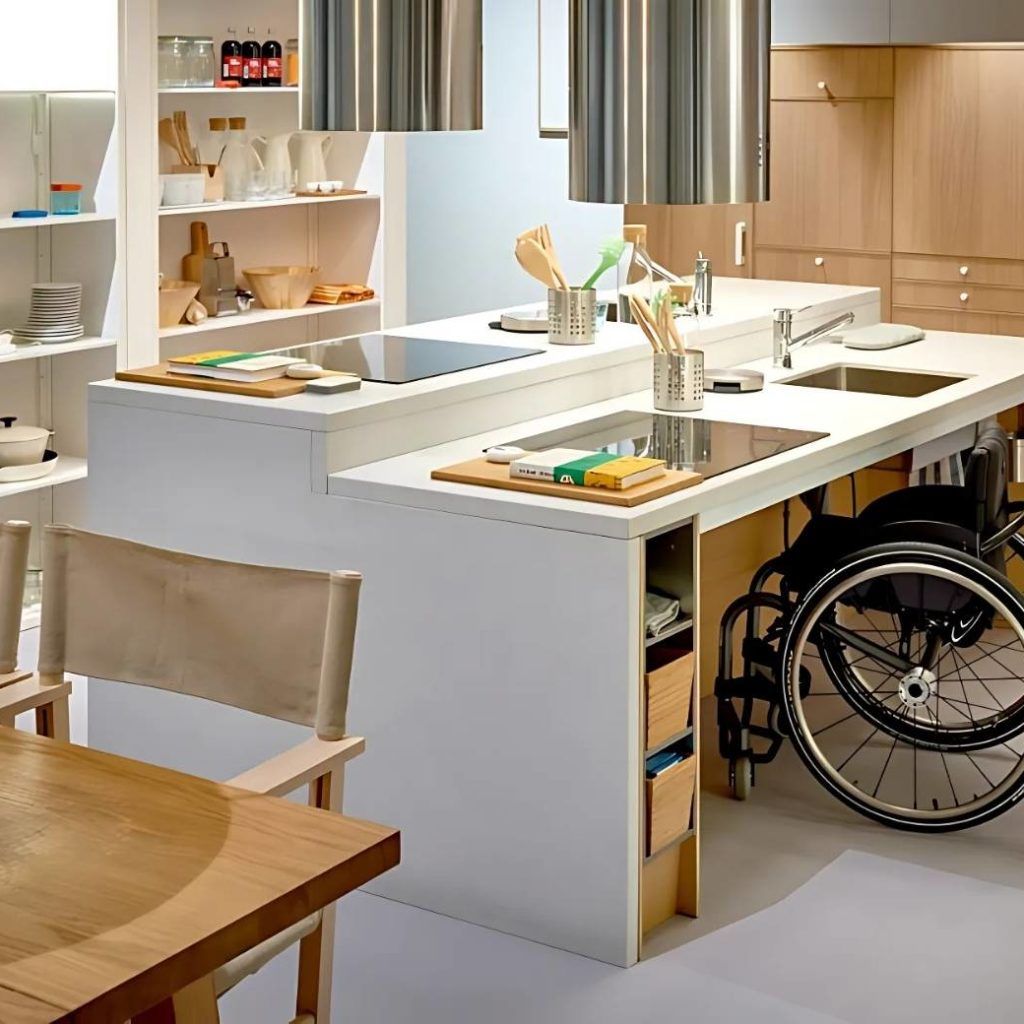
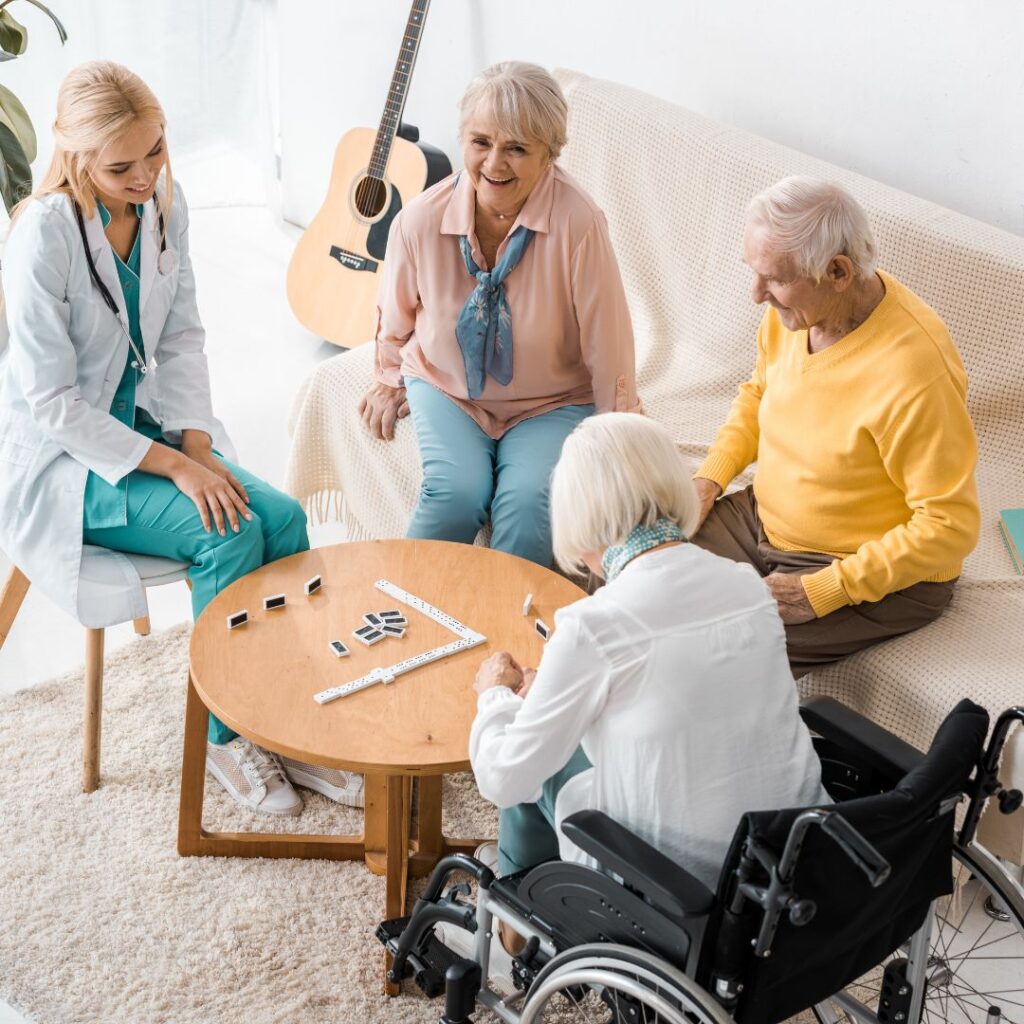
Universal and inclusive design aren’t just for people with disabilities, chronic conditions, or mobility changes. They’re for everyone—because we all experience changing needs throughout our lives. When we design homes, workplaces, and community spaces around diverse human needs, families, employees, clients, and communities all benefit.
- An ergonomic chair, desk, and monitor setup helps remote workers stay productive without chronic neck, back, or shoulder pain
- The right mattress and sleep position help people wake up refreshed and pain-free
- No-step entries, wider doorways, and lever door handles make it easier to juggle groceries, strollers, and wheelchairs
- Workplace and community spaces designed with ergonomics, acoustics, and wayfinding that work for all users
- Improved lighting, attractive grab bars, and clear pathways for fall prevention and confident movement at every age
- A home designed for young children and aging parents includes safety features for all ages and abilities
Universal and inclusive design reduce friction, lower injury risk, and create spaces where people feel good and thrive—whether at home, at work, or in community settings.

“I was having trouble getting up from my favorite chair at home. Kristin gave me a simple solution that my husband implemented without buying a new chair, and now it’s so much easier!”
Joanna
Fairfax, CA
Ergonomic & Design Support at a Glance
Universal, Ergonomic Design
From your desk chair to healthcare facilities, bedrooms and bathrooms, community centers, and your kitchen—solutions designed around real people and real needs, not generic checklists.
Personalized Service
Whether we meet in your home, your facility, or connect virtually, you'll get clear, prioritized recommendations you can act on right away—plus support as your needs evolve.
Smart, Flexible Design
From budget-conscious modifications to custom, bespoke solutions, we work within your real-world constraints and focus on creative strategies that maximize impact.
We Work With
We work with individuals, families, organizations, and design teams—from the San Francisco Bay Area to California, Oregon, Texas, Norway, Italy, and beyond—wherever thoughtful design can make a difference. We meet you in person or virtually. From focused consultations to comprehensive redesigns, we tailor our services to match your project needs.
Whether you need quick, budget-conscious adjustments or a fully custom, design-forward solution, we start with your goals and recommend only what truly fits. Some clients benefit from simple, low-cost modifications they can implement right away. Others work with us on bespoke, high-end projects—blending ergonomics expertise with thoughtful aesthetics for complex spaces or unique design visions. Every project is tailored to you.
Keep Learning With FjordErgo
Stay informed about ergonomics, universal design, and inclusive design, along with equipment innovations, conferences, workshops, and community events.
Our Vision & Our Mission
Our Vision
Spaces where comfort, safety, and ease are the foundation—not an afterthought. Where everyone, regardless of age or ability, can live, work, and thrive.
Our Mission
To make evidence-based ergonomics, universal design, and inclusive design accessible, practical, and personal—one space, one person, and one community at a time.